
Dorsal Hump Reduction in Seoul, Korea
Smooth a bump on the nasal bridge for a straighter, softer profile — balanced so the nose still looks natural from the front.
- Board-certified plastic surgeons
- English-speaking support
- 400 m from Gangnam Station
Dorsal hump reduction removes or rasps down excess bone and cartilage on the nasal bridge. After reduction, the nasal bones are often narrowed (osteotomy) to close the open roof, and the tip may be adjusted so the profile line flows smoothly.
- Surgery time
- Approx. 1.5–2.5 hours
- Anesthesia
- Sleep (IV) or general anesthesia
- Splint & stitches out
- Around day 5–7
- Recommended stay in Seoul
- 7–10 days
Who is a candidate for hump reduction?
It suits patients with a visible bump on the bridge in profile view.
If the tip also droops downward, the combination is treated as a hooked nose correction.
- Visible bump on the nasal bridge
- Bridge that looks heavy or angular in profile
- Hump that appeared after injury
- Desire for a straight but natural bridge
- Good general health
What a balanced hump reduction considers
Bridge height
Too much reduction can flatten the nose; height is preserved where needed.
Bone width
Narrowing after reduction prevents a flat, wide bridge.
Tip position
A drooping tip can make a hump look larger and may be lifted.
Smooth line
Rasping and fine grafts ensure a smooth dorsum without irregularities.

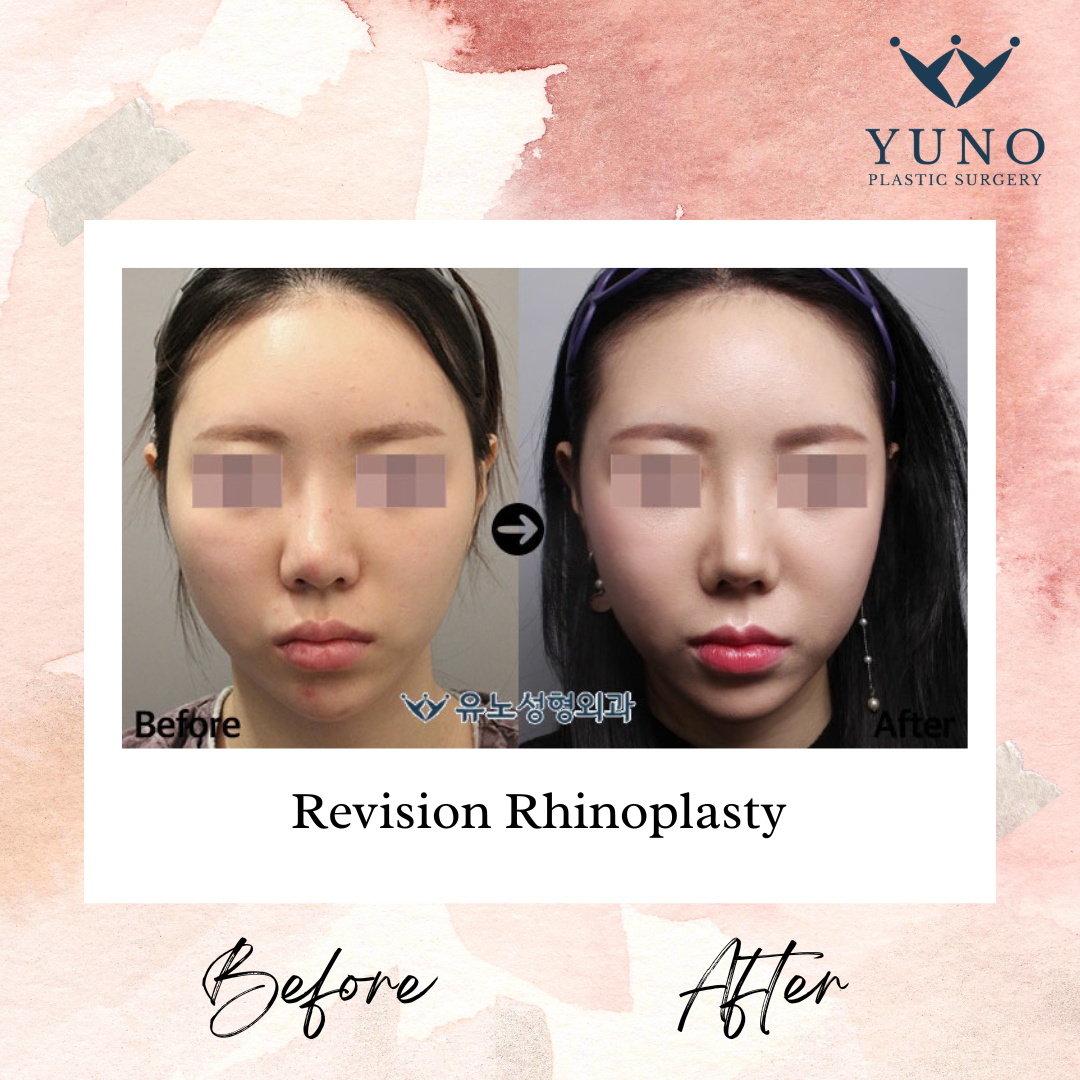
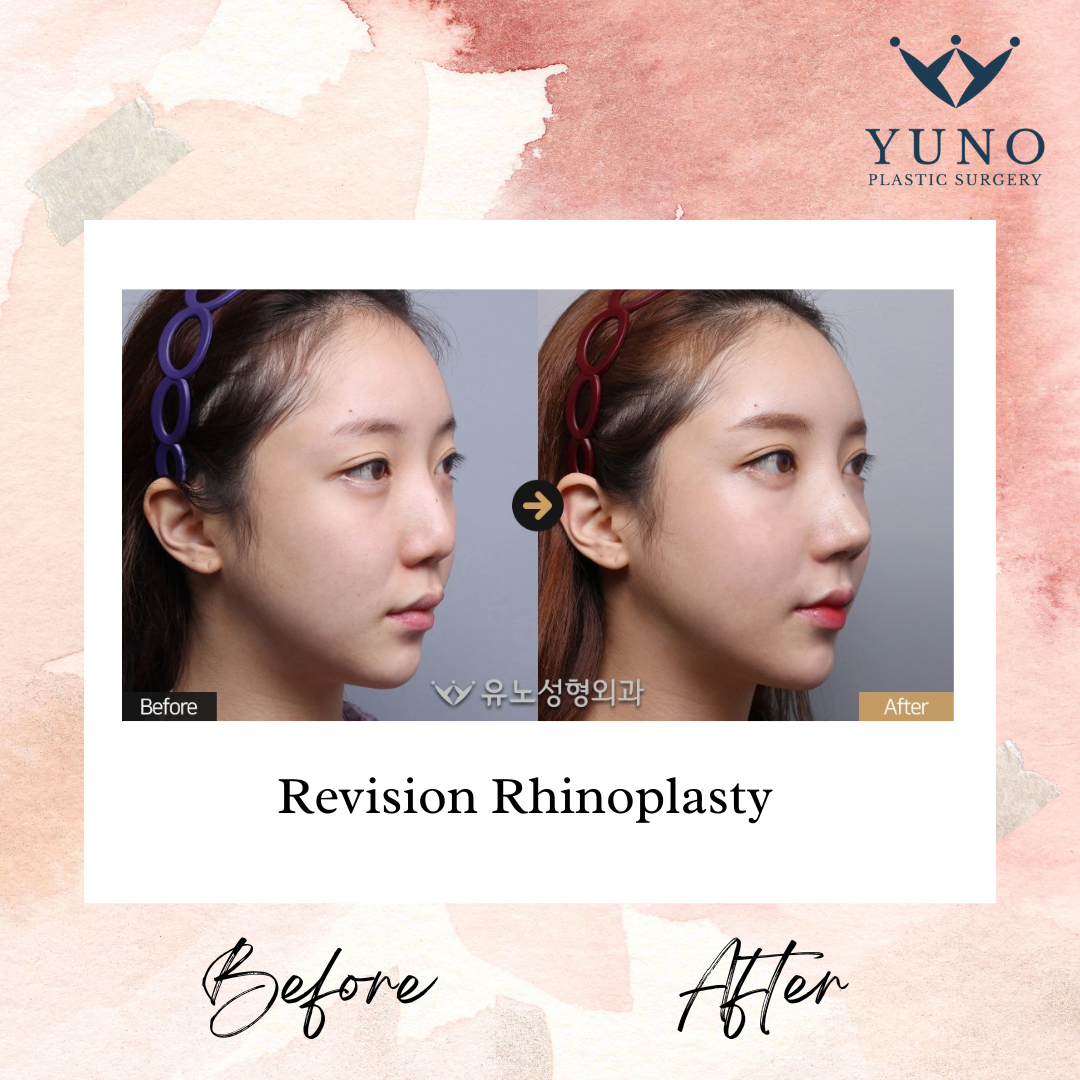
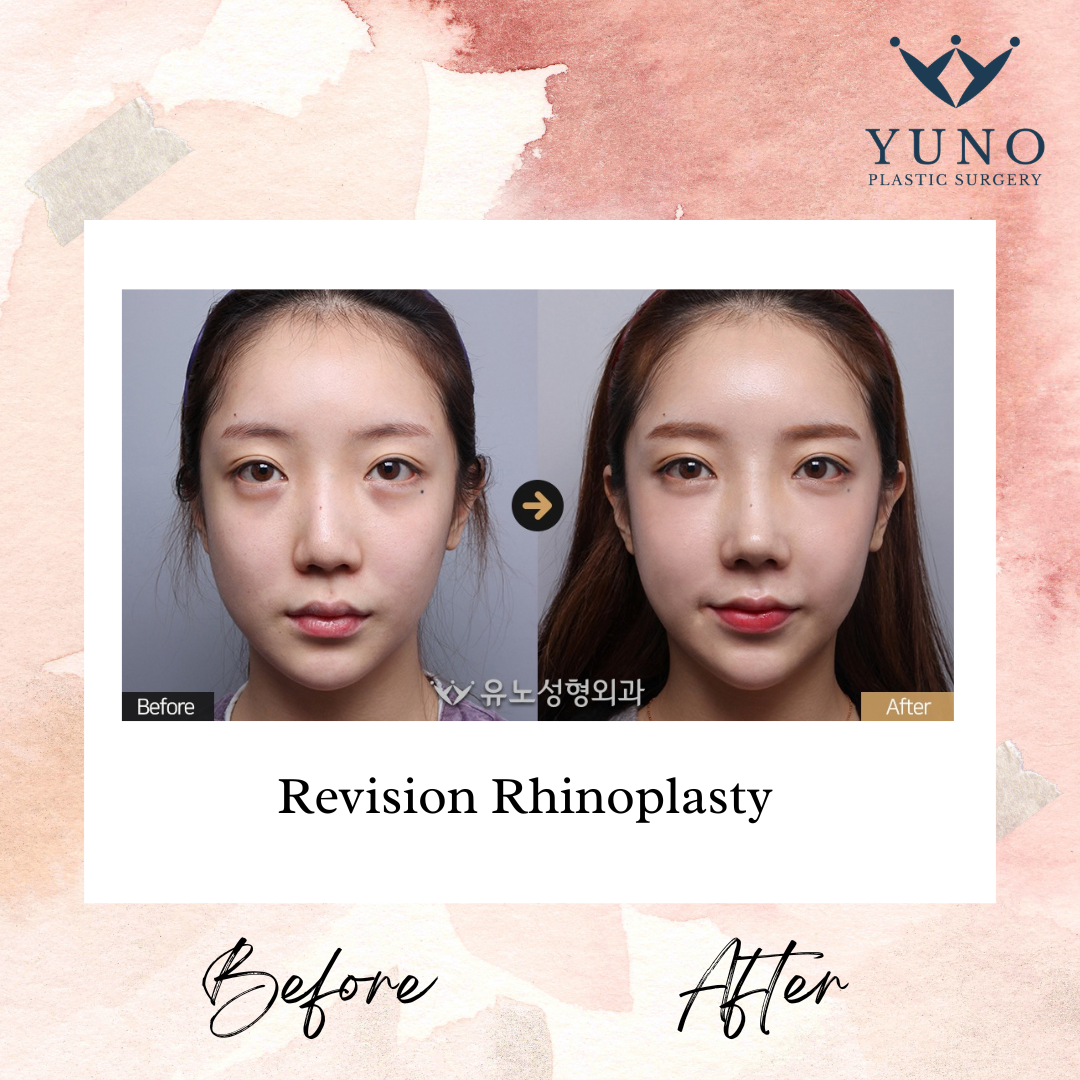
Hump reduction before & after
The goal is a smoother bridge line that matches the forehead, tip and chin.
Results vary between individuals depending on anatomy, technique and healing. Possible complications include bleeding, infection, inflammation and asymmetry. Photos are shared with patient consent and identities are protected.
Techniques used
Rasping
Gradual filing for small bony humps.
Osteotome reduction
Precise removal of larger humps.
Osteotomy
Narrows the nasal bones after reduction.
Spreader grafts
Maintain the middle vault and airway — see cartilage grafts.
Tip adjustment
Lifts or refines the tip if needed — see tip plasty.
Approach
Open or closed — see open vs closed.
Dorsal hump reduction process for international patients
- Online consultation Send front and side photos via WhatsApp for a preliminary review.
- In-clinic consultation Your surgeon examines the nose, explains options, risks and a personalized quote.
- Surgery day Surgery with anesthesia managed by a board-certified anesthesiologist.
- Splint & stitch removal Usually around day 5–7, followed by a check-up.
- Follow-up Remote aftercare support after you return home.
Hump reduction recovery timeline
Typical milestones after surgical rhinoplasty (individual healing varies):
| Days 1–3 | Peak swelling and bruising; keep the head elevated and rest. |
|---|---|
| Days 5–7 | Splint and stitches removed; light daily activities resume. |
| Weeks 2–3 | Most bruising fades; many patients are comfortable flying home. |
| Months 1–3 | Most swelling subsides; avoid pressure on the nose and contact sports as instructed. |
| 6–12 months | Final contour, especially of the tip, becomes fully visible. |
Detailed instructions: Rhinoplasty aftercare guide · Pricing factors: Nose surgery cost in Korea
Why choose YUNO Plastic Surgery for dorsal hump reduction?
Dorsal hump reduction FAQ
Will hump reduction make my nose too low?
Do the nasal bones need to be broken?
Is there more bruising?
Can a hump come back?
Can hump reduction be combined with tip surgery?
How long should I stay in Korea?
Explore related nose procedures
Considering dorsal hump reduction in Seoul?
Send your photos and goals for a preliminary review by our team.
YUNO Plastic Surgery Clinic · 9F, W Tower, 54 Seocho-daero 77-gil, Seocho-gu, Seoul, Korea · 400 m from Gangnam Station Exit 10, 60 m from Sinnonhyeon Station Exit 7 · Mon–Fri 09:30–19:00, Sat 09:30–17:00 (closed Sundays & public holidays)