
Open vs Closed Rhinoplasty in Seoul, Korea
Understand the difference between the two surgical approaches — incisions, visibility, swelling and which goals each one suits best.
- Board-certified plastic surgeons
- English-speaking support
- 400 m from Gangnam Station
Open rhinoplasty adds a small incision across the columella so the surgeon can see and precisely rebuild the nasal framework; it is preferred for complex tip work and revisions. Closed rhinoplasty uses incisions inside the nostrils only, leaving no external scar and usually less swelling, and suits simpler bridge or mild tip changes.
- Open approach
- Columella incision + inner incisions
- Closed approach
- Inner incisions only
- Surgery time
- Approx. 1–3 hours
- Splint & stitches out
- Around day 5–7
Open vs closed rhinoplasty at a glance
Neither approach is "better" in general — the right choice depends on what needs to be changed.
Your surgeon recommends the approach after examining the nose; see the comparison table below.
- Open: best visibility for complex tip, graft and revision work
- Open: tiny columella scar that usually fades well
- Closed: no visible external scar
- Closed: typically less swelling and faster early recovery
- Both: performed by board-certified plastic surgeons at YUNO
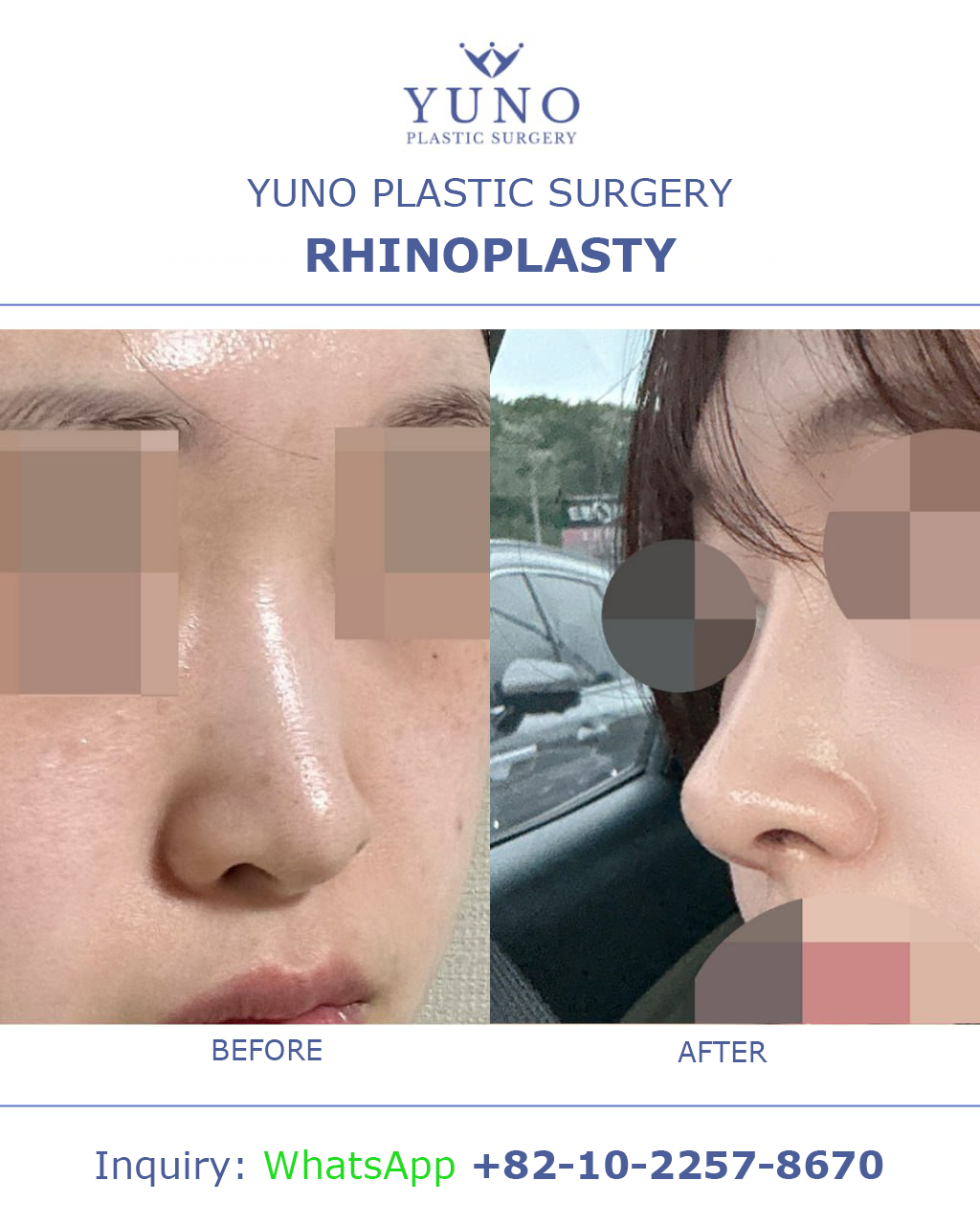
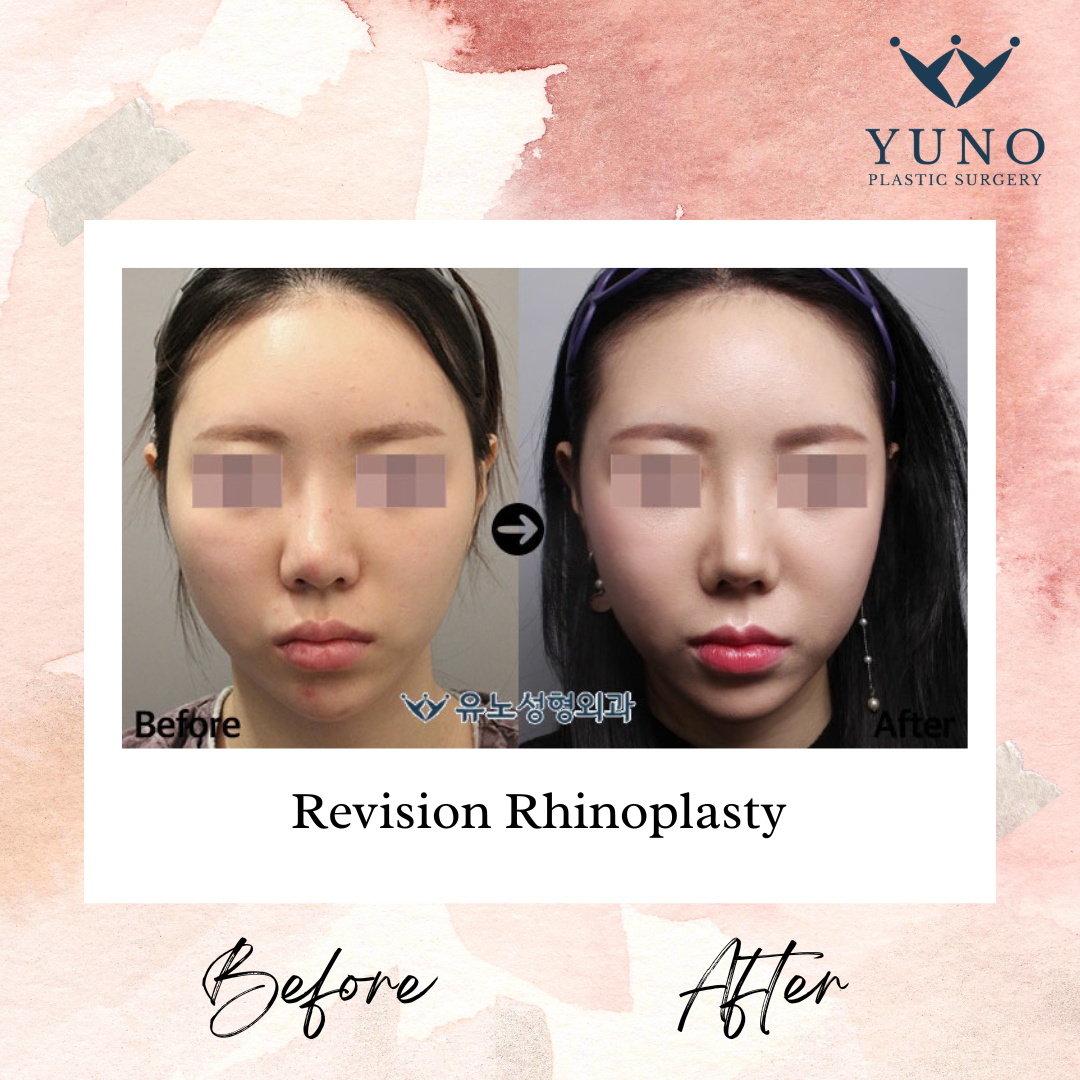
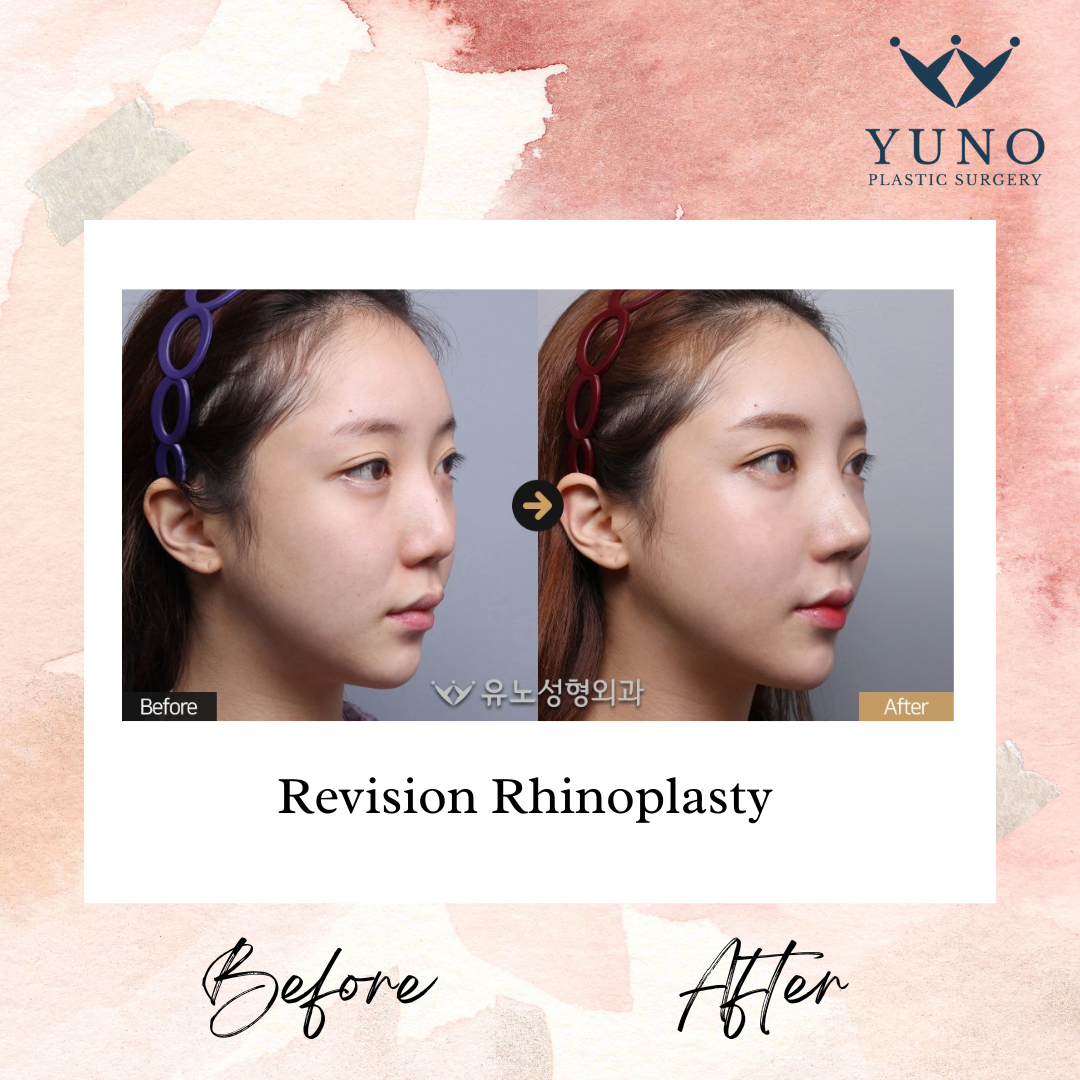
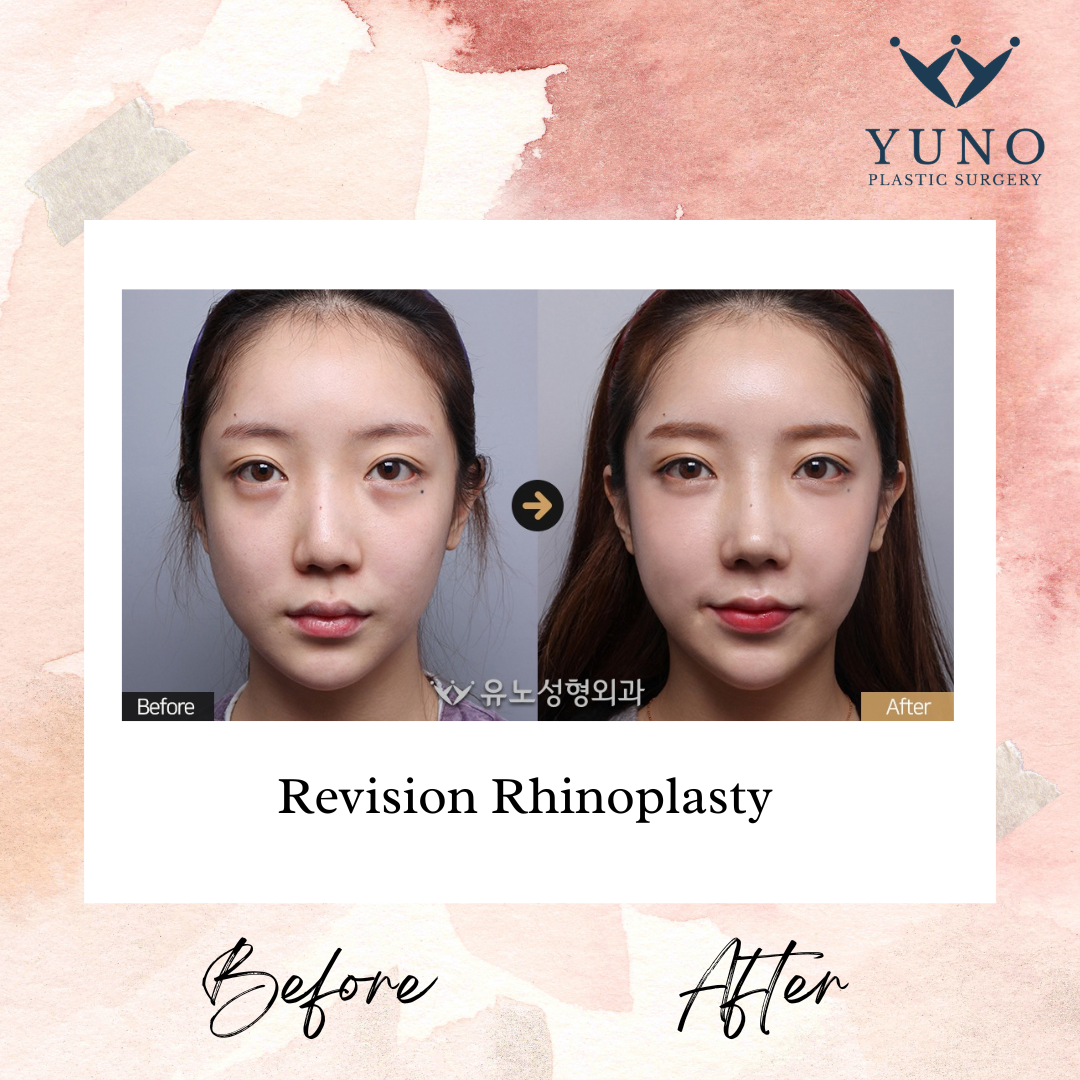
Rhinoplasty before & after
The approach is chosen to achieve the planned shape safely; the patient sees the result, not the technique.
Results vary between individuals depending on anatomy, technique and healing. Possible complications include bleeding, infection, inflammation and asymmetry. Photos are shared with patient consent and identities are protected.
Which approach suits which goal?
Revision rhinoplasty
Usually open, to release scar tissue — see revision rhinoplasty.
Tip refinement
Open for significant change; closed for mild refinement — see tip plasty.
Bridge augmentation
Often closed when only the bridge is raised — see bridge enhancement.
Hump reduction
Closed or open depending on hump size — see dorsal hump reduction.
Cartilage grafting
Open approach allows precise graft placement — see cartilage grafts.
Crooked or wide nose
Depends on bone and septum work — see wide nose surgery.
Open and closed rhinoplasty compared
| Incision | Open: inside the nostrils + small columella incision · Closed: inside the nostrils only |
|---|---|
| Visibility for surgeon | Open: direct view of cartilage · Closed: limited view |
| Best for | Open: tip reshaping, grafts, revision, crooked nose · Closed: bridge augmentation, mild hump, minor tip changes |
| Swelling | Open: more tip swelling early on · Closed: generally less |
| Scar | Open: fine columella scar that usually becomes hard to see · Closed: no external scar |
Open vs closed rhinoplasty process for international patients
- Online consultation Send front and side photos via WhatsApp for a preliminary review.
- In-clinic consultation Your surgeon examines the nose, explains options, risks and a personalized quote.
- Surgery day Surgery with anesthesia managed by a board-certified anesthesiologist.
- Splint & stitch removal Usually around day 5–7, followed by a check-up.
- Follow-up Remote aftercare support after you return home.
Recovery after open or closed rhinoplasty
Typical milestones after surgical rhinoplasty (individual healing varies):
| Days 1–3 | Peak swelling and bruising; keep the head elevated and rest. |
|---|---|
| Days 5–7 | Splint and stitches removed; light daily activities resume. |
| Weeks 2–3 | Most bruising fades; many patients are comfortable flying home. |
| Months 1–3 | Most swelling subsides; avoid pressure on the nose and contact sports as instructed. |
| 6–12 months | Final contour, especially of the tip, becomes fully visible. |
Detailed instructions: Rhinoplasty aftercare guide · Pricing factors: Nose surgery cost in Korea
Why choose YUNO Plastic Surgery for open or closed rhinoplasty?
Open vs closed rhinoplasty FAQ
Is the open rhinoplasty scar visible?
Is closed rhinoplasty less painful?
Which approach gives a more natural result?
Can I choose the approach myself?
Is revision always open?
How long until I can fly home?
Explore related nose procedures
Considering open vs closed rhinoplasty in Seoul?
Send your photos and goals for a preliminary review by our team.
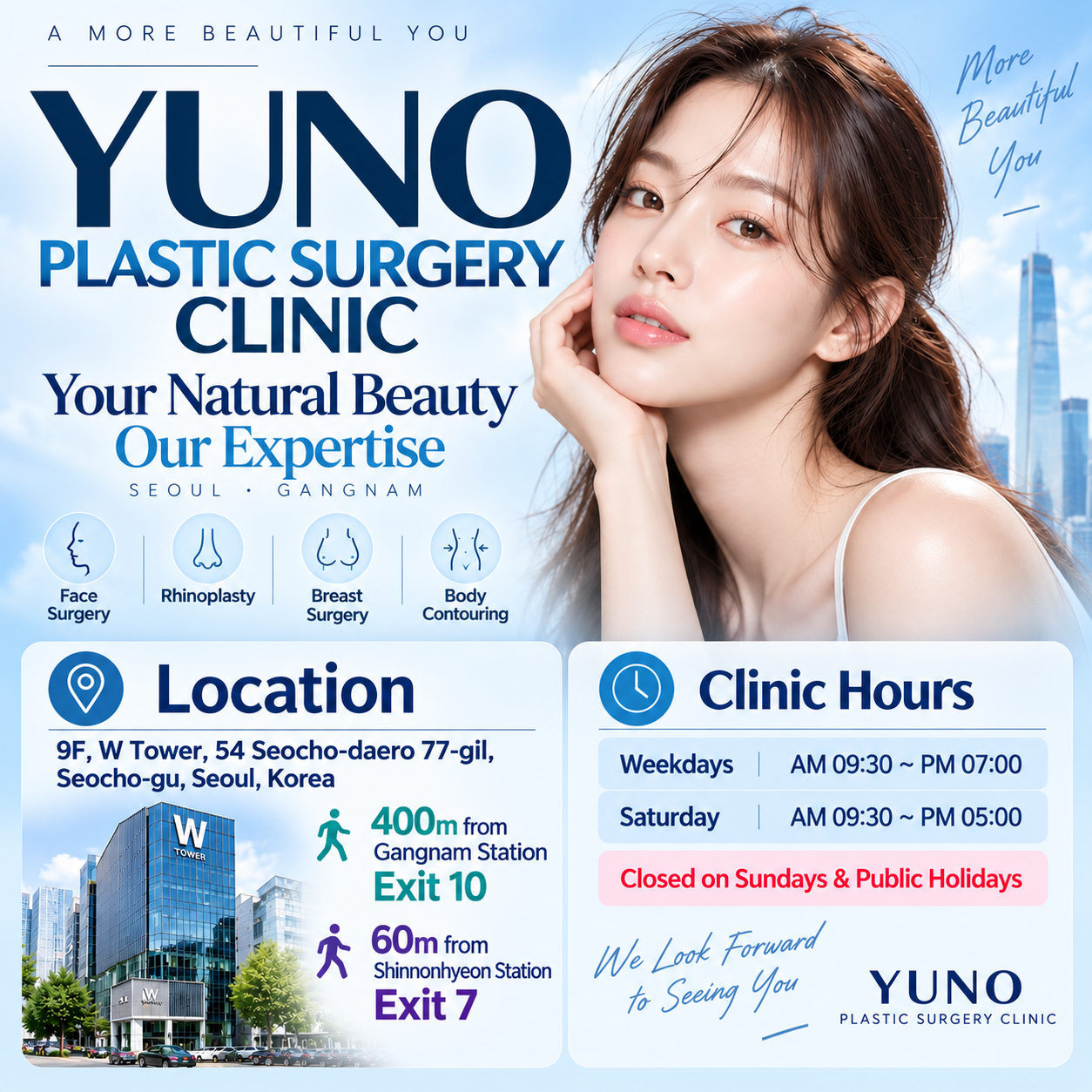
YUNO Plastic Surgery Clinic · 9F, W Tower, 54 Seocho-daero 77-gil, Seocho-gu, Seoul, Korea · 400 m from Gangnam Station Exit 10, 60 m from Sinnonhyeon Station Exit 7 · Mon–Fri 09:30–19:00, Sat 09:30–17:00 (closed Sundays & public holidays)